Preparing for Spanish immersion online involves building core vocabulary, reviewing essential grammar, and practicing listening comprehension before you arrive. By dedicating just 30 to 60 minutes daily to targeted pre-arrival study, you ease transition anxiety and maximize your progress in intensive, real-world classroom settings.
Table of Contents
- 1. Why Pre-Arrival Online Prep is Critical for Immersion Success
- 2. Setting Your Baselines: Interactive Diagnostics and Goals
- 3. Structural Prep: High-Yield Grammar and Functional Phrases
- 4. Auditory Conditioning: Training Your Ear for Mexican Spanish
- 5. Combining Structured Prep with Cultural and Lifestyle Goals
- 6. A Step-by-Step 4-Week Online Study Plan Before Departure
- 7. Avoiding Common Mistakes in Pre-Arrival Preparation
1. Why Pre-Arrival Online Prep is Critical for Immersion Success
Starting your preparation online before landing at your destination prevents the cognitive overload often experienced during the first week of intensive classes.
Arriving in a new country to study a language is exhilarating, but the sudden shift to constant exposure can feel overwhelming. At Ako, we have seen how a small amount of targeted online preparation drastically reduces classroom anxiety. When students walk through our doors in Playa del Carmen, those who spent even a few weeks reviewing basics transition into speaking much faster than those who start completely from scratch.
According to the Foreign Service Institute (FSI), Spanish is classified as a Category I language, meaning it takes approximately 600 to 750 class hours to reach professional working proficiency. However, cognitive fatigue during the initial days of full immersion can slow this timeline down. By familiarizing yourself with core sounds and basic verbs ahead of time, you create mental hooks. These hooks allow you to absorb real-time corrections, local slang, and complex structures much faster once your physical program begins.
Our Intensive Spanish Course (20h/week) is designed to challenge you and push your boundaries. If your brain is already comfortable with simple conjugation patterns, you can focus your classroom energy on spontaneous speaking and creative expression rather than struggling to remember how to conjugate basic present-tense verbs. Pre-arrival preparation is not about achieving fluency before you travel; it is about building the psychological and academic runway to take off on day one.
Overcoming the “First-Week Shock”
First-week shock is a documented linguistic phenomenon where the brain, exhausted by constant translation, begins to tune out conversations. By studying online beforehand, you build up your linguistic stamina. This stamina ensures that your first few days in Mexico are spent experiencing the vibrant local culture rather than recovering from chronic mental exhaustion.
Bridging the Gap to Your Intensive Spanish Course (20h/week)
Our intensive format requires active participation for four hours every day. If you arrive with zero preparation, the cognitive leap can be exhausting. Basic online preparation bridges this gap, allowing you to enter the classroom with a baseline level of confidence that transforms passive listening into active conversational engagement.
Building Immediate Muscle Memory
Linguistic muscle memory is built through repeated physical pronunciation. Online tools and self-talk exercises let you practice moving your mouth to form Spanish vowels without the pressure of an immediate audience. When you finally sit in our physical classrooms, your vocal tract is already primed for the unique rhythms of the language.
2. Setting Your Baselines: Interactive Diagnostics and Goals
Assessing your current proficiency through structured diagnostic tools ensures you enter the correct level and focus your pre-arrival energy efficiently.
Before buying textbooks or downloading randomized language apps, you need an objective understanding of your starting point. Many language learners either overestimate their conversational skills or underestimate their passive reading comprehension. At Ako, we recommend taking our specialized CEFR Spanish Level Test before beginning any home-study routine. This diagnostic maps your skills directly to the Common European Framework of Reference for Languages, giving you a clear indicator of where your structural gaps lie.
“We frequently see students who can read complex texts but struggle to ask for basic directions. Diagnostic testing helps balance these communicative imbalances before you step onto the plane.” — The Ako Academic Team
Once you have your diagnostic score, you can formulate realistic goals. For example, if you are a complete beginner (A1), your four-week online prep should focus exclusively on functional vocabulary and basic present-tense verbs. If you test at an intermediate level (B1), your prep should focus on clearing up the distinction between the two Spanish past tenses (Pretérito Indefinido and Pretérito Imperfecto) and practicing rapid comprehension of spoken Mexican Spanish.
Setting specific, measurable targets prevents study fatigue. Instead of aiming to “learn Spanish,” aim to “master 15 high-frequency verbs in the present tense” or “be able to order street food and explain dietary restrictions without using English.” These micro-goals keep you motivated and structured throughout your digital pre-arrival phase.
Taking the Ako CEFR Spanish Level Test
Our online diagnostic evaluates grammar, vocabulary, and reading comprehension. Taking this test early ensures our instructors can pre-arrange classroom dynamics to match your exact linguistic profile, ensuring no time is wasted on your first day of class in Playa del Carmen.
Establishing Realistic 3-Month Milestones
If you plan to study with us for a multi-month period, remember that progress is non-linear. The first month focuses heavily on survival skills and core grammar; the second month focuses on fluidity and past tenses; the third month introduces subtle nuances and subjunctive moods. Aligning your pre-arrival study to support this natural progression prevents frustration.
Mapping Out Vocabulary Focus Areas
Analyze your daily life and determine what you will actually need to talk about. If you are staying in local accommodation, focus on household vocabulary. If you plan to spend your afternoons working remotely from cafes, prioritize vocabulary related to Wi-Fi connection, ordering food, and workspace etiquette.
3. Structural Prep: High-Yield Grammar and Functional Phrases
Prioritizing high-frequency verbs, survival phrases, and conversational connectors establishes a solid framework for real-time communication.
You do not need to memorize every Spanish tense before arriving in Mexico. Focus your energy on high-yield structures: grammar and vocabulary that perform heavy lifting in daily conversations. For instance, mastering the verbs querer (to want), necesitar (to need), poder (to be able to), and tener (to have) allows you to express hundreds of complex desires and situations simply by pairing them with an infinitive verb (e.g., “Quiero comprar…”, “Necesito encontrar…”).
We recommend prioritizing survival phrases that keep conversations flowing even when you do not understand a word. Phrases like “¿Cómo se dice…?” (How do you say…?), “¿Puedes repetir más despacio, por favor?” (Can you repeat slower, please?), and “¿Qué significa eso?” (What does that mean?) are your safety nets. They allow you to stay immersed in Spanish without defaulting to English the moment a local speaks too quickly.
Let’s look at a comparative breakdown of standard, textbook phrases versus the functional, highly localized variations you will actually use on the streets of Playa del Carmen:
| Textbook Spanish | Mexican Spanish Alternative | Practical Context / Use Case |
|---|---|---|
| ¿Cómo estás? | ¿Qué onda? / ¿Cómo andas? | Casual greetings with staff, classmates, and locals. |
| Adiós | Nos vemos / Cuídate | Friendly ways to say goodbye after your daily lessons. |
| ¿Cuánto cuesta? | ¿Qué precio tiene? / ¿Cuánto va a ser? | Buying fresh fruit at local markets or paying for street food. |
| Quiero pagar, por favor | ¿Me traes la cuenta, por favor? / ¿Te encargo la cuenta? | Standard, polite dining etiquette in Mexican restaurants. |
By studying these localized variations before you arrive, you avoid sounding like a rigid textbook. This subtle preparation helps you build instant rapport with locals, who will appreciate your effort to speak their everyday regional dialect.
Mastering Essential Survival Phrases
Survival phrases act as linguistic life jackets. Memorize phrases that help you navigate daily transactions, ask for directions, clarify misunderstandings, and manage basic emergencies without feeling the need to immediately switch back to your native language.
High-Yield Verbs and Pronoun Prep
Focus deeply on irregular high-frequency verbs like ir (to go), hacer (to do/make), and estar (to be – location/emotion). Understanding how these interact with subject pronouns helps you establish the foundation of correct sentence structure early on.
The Power of Conversational Connectors
Connectors like entonces (so/then), así que (so), and por otro lado (on the other hand) buy your brain time to think of the next word. They help transition your speech from disjointed, single-word utterances into continuous, flowing thoughts.
4. Auditory Conditioning: Training Your Ear for Mexican Spanish
Conditioning your ears to Mexican Spanish speed, slang, and intonation beforehand dramatically improves your comprehension on day one in Playa del Carmen.
One of the hardest parts of Spanish immersion is not the speaking; it is the listening. Standard classroom audio files are recorded with perfect pronunciation, slow pacing, and zero background noise. In the real world, native speakers talk quickly, use regional slang, drop consonants, and speak over ambient music or street traffic.
To train your ears, we suggest immersing yourself in authentic media from Mexico. Platforms like YouTube, Mexican podcasts, and regional radio stations are goldmines for auditory conditioning. Focus on understanding the general context of conversations rather than trying to decipher every single word. This process trains your brain to accept a certain degree of ambiguity, a vital psychological skill for any language learner.
“Active listening is like going to the gym for your brain. If you only practice with slow, idealized speech, you will struggle when step into a bustling Mexican market. Get comfortable with real, fast-paced language early.” — Ako Language Consultants
When listening to audio content, pay close attention to the distinctive cadence of Mexican Spanish, which is known for its sing-song rhythm, clear pronunciation of consonants, and specific intonations. Getting used to these auditory markers before arrival helps you feel significantly more comfortable when interacting with taxi drivers, restaurant servers, and our team here in Playa del Carmen.
Listening to Mexican Accent Nuances
Mexican Spanish often features clear vowel pronunciation but a softer treatment of certain ending consonants. Familiarizing yourself with regional phonetic patterns ensures that when you hear words in context, you can easily recognize them even if they are spoken rapidly.
Curating Native Podcast and Video Playlists
Find content creators from central and southeastern Mexico who talk about everyday topics like travel, cooking, or local news. Listening to natural conversations helps you adapt to realistic cadences, colloquial vocabulary, and spontaneous interruptions.
Simulating Real-Life Background Noise
Try listening to Spanish audio while doing chores, walking through a busy park, or cooking dinner. This multi-tasking trains your brain to filter out ambient noise and focus on the linguistic input, simulating the actual environments you will experience in Mexico.
5. Combining Structured Prep with Cultural and Lifestyle Goals
Aligning your online studies with your planned extracurricular activities makes vocabulary acquisition natural, practical, and immediately rewarding.
At Ako, we believe that language learning should never exist in a vacuum. It should be deeply integrated with your personal interests and daily activities. Many of our students choose to combine their academic studies with our curated lifestyle packages, such as the Spanish + Surf Package or the Spanish + Cooking Package. If you have booked one of these, you can target your online preparation to match your upcoming experiences.
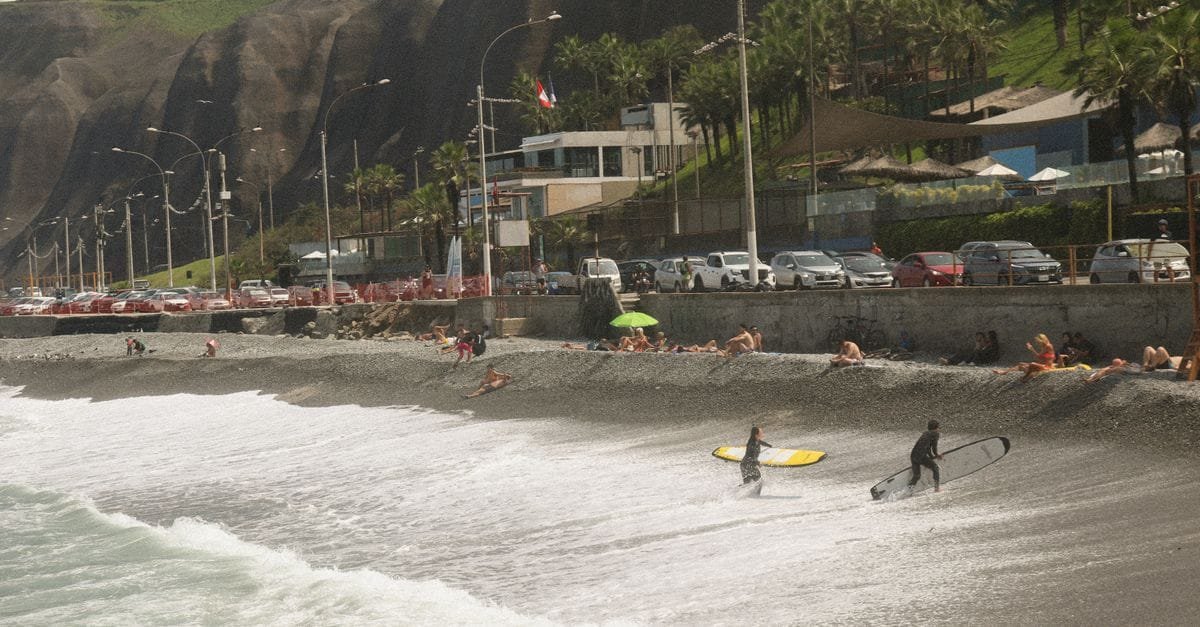
If you are joining our surf package, spend your pre-arrival study time mastering beach and ocean terminology. Learn the words for waves (olas), surfboard (tabla de surf), current (corriente), and tide (marea). This preparation ensures you can easily understand your surf instructor’s safety briefings and tips in real time, making your sessions in the water both safer and far more engaging.
Similarly, if you are signed up for our cooking package, focus your online vocabulary drills on kitchen actions (picar, freír, hervir) and unique Mexican ingredients (cilantro, tomatillo, chile poblano). Studying these terms beforehand allows you to focus on mastering authentic culinary techniques during your hands-on workshops, rather than constantly looking up basic kitchen vocabulary on your phone.
“Connecting your study to a physical activity like surfing or cooking anchors vocabulary in your long-term memory. It turns abstract words into lived experiences.” — Ako Program Coordinators
Preparing Vocabulary for the Spanish + Surf Package
Familiarize yourself with ocean conditions and physical direction terms. Understanding phrases like “rema más fuerte” (paddle harder) or “ponte de pie” (stand up) ensures you can react quickly when catching waves along the beautiful Riviera Maya coast.
Master Cooking Terms for the Spanish + Cooking Package
Learn verbs related to preparation, food textures, and seasoning. Knowing the difference between asar (to roast/grill) and guisar (to stew) will help you confidently follow authentic family recipes during your culinary sessions.
Navigating Daily Life in Playa del Carmen
Learn how to navigate our coastal town by studying terms related to public transportation, such as the local colectivos (shared vans), taxi rates, and cardinal directions. This practical knowledge helps you move around Playa del Carmen safely and confidently from your very first afternoon.

6. A Step-by-Step 4-Week Online Study Plan Before Departure
A structured four-week preparation timeline balances active grammar study with passive listening to ensure optimal readiness for your arrival.
To help you structure your home study, we have put together this highly efficient, four-week online preparation plan. It is designed to fit easily into a busy schedule, requiring only 30 to 45 minutes of daily focus.
-
Week 1: Baseline Assessment and Functional Core
Start your preparation by taking our online CEFR Spanish Level Test to identify your current level. Spend this first week memorizing 30 essential survival phrases and focusing on the present tense of high-yield verbs. Practice pronouncing these sounds out loud in a quiet room to start building muscle memory.
-
Week 2: Auditory Training and Local Idioms
Shift your focus toward listening comprehension. Subscribe to a Mexican Spanish podcast and listen to one short episode every day. Write down any unfamiliar slang terms and practice using them in simple, self-created sentences. Begin studying Mexican cultural norms and local dining customs.
-
Week 3: Lifestyle Integration and Specific Vocab
Tailor your study sessions to your specific plans in Playa del Carmen. If you have booked our Spanish + Surf Package or Spanish + Cooking Package, start memorizing the specialized vocabulary tables for those activities. If you prefer personalized practice, consider booking a few Private Spanish Lessons online with us to practice speaking with a native instructor before your flight.
-
Week 4: Real-World Simulations and Logistics
Spend your final week simulating real-world interactions. Practice ordering your favorite Mexican dishes, asking for directions to the beach, and checking in to your accommodation in Spanish. Review the local map of Playa del Carmen and familiarize yourself with the path from your accommodation to our school.
Following this structured approach helps you build consistent study habits. By the time you land, your brain will already be primed to process Spanish, making your transition into our immersive learning environment smooth and stress-free.
7. Avoiding Common Mistakes in Pre-Arrival Preparation
Focusing on functional, spoken communication rather than abstract memorization prevents early burnout and builds practical, real-world skills.
One of the most common mistakes we see is students trying to memorize complex grammar rules without practicing how to use them in real conversations. Spending hours analyzing advanced conjugation charts is of little use if you cannot confidently introduce yourself or order a cup of coffee. Keep your preparation practical, interactive, and focused on everyday communication.
Another pitfall is relying too heavily on gamified language apps. While these can be fun for building basic vocabulary, they rarely prepare you for the speed and unpredictability of real conversations. To build genuine fluency, you need to step away from translation-based exercises and start processing Spanish directly through immersive listening and real-world speaking practice.
Be gentle with yourself throughout this process. Learning a language is a journey that requires time, patience, and plenty of mistakes. By investing a little time in pre-arrival online preparation, you build a solid foundation that will help you get the absolute most out of your immersion experience with us in beautiful Playa del Carmen.
Ready to start your Spanish learning journey? Our team at Ako is here to help you every step of the way, from online prep to immersive, hands-on classes on the beach. Contact us today to plan your ideal program and take your Spanish skills to the next level.
Frequently Asked Questions
Why is pre-arrival online preparation important for Spanish immersion?
Pre-arrival prep builds essential vocabulary and structural baselines, helping to prevent cognitive fatigue and mental overload during your first week of intensive immersion classes.
What grammar should I focus on before arriving in Mexico?
Focus on high-yield, functional grammar like the present tense of high-frequency verbs, survival phrases, and conversational connectors that keep daily interactions flowing.
How can I train my ear for real Mexican Spanish?
Listen to authentic Mexican media like regional podcasts, YouTube creators, and local radio stations to adapt to real-world pronunciation, speed, and slang.
What is the CEFR Spanish Level Test?
It is a standardized diagnostic test that measures your language proficiency against the Common European Framework, helping you target your study and find the right class level.
How does Ako combine language study with outdoor activities?
We offer specialized packages like our Spanish + Surf and Spanish + Cooking Packages, which combine classroom learning with real-world, hands-on activities in Playa del Carmen.
How much daily study time is recommended during pre-arrival preparation?
Dedicating just 30 to 45 minutes of focused study per day for four weeks is highly effective for building the confidence and muscle memory needed for your program.
What are the most common mistakes to avoid in language prep?
Avoid over-focusing on abstract grammar memorization and relying too heavily on gamified apps. Prioritize functional, spoken communication instead.
Can I take private online lessons before my physical immersion program starts?
Yes, booking online Private Spanish Lessons with us is a great way to practice speaking with a native instructor and build confidence before your flight.